

You didn't hate the ending, you just didn't want it to end
It feels like every series finale is criticised nowadays. Does it say more about the fans than the creators?

It started with Sherlock. After waiting three years for the show’s final season, fans were far from happy with its conclusion and were convinced a secret final episode was due to be aired. This obviously turned out to be nothing more than a conspiracy. Two years later, criticism of Game of Thrones’ finale was inescapable, with fans citing rushed pacing and unresolved plotlines as the reason for their dissatisfaction.
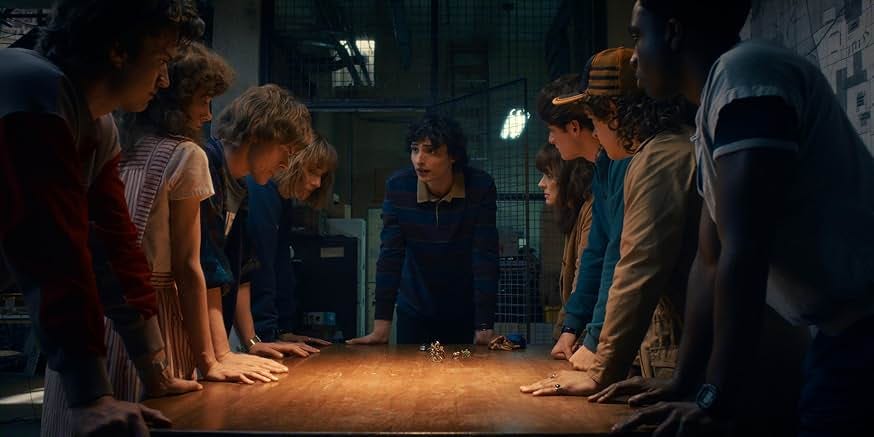
Cut to 2026 and the fifth season of Stranger Things seemed to combine both reactions. Mass hysteria over the ‘Conformity Gate’ conspiracy saw fans holding out hope that a prophecied ‘true’ finale would see Will and Mike get together as god intended. Needless to say, those who do not learn from history are doomed to repeat it.
As Stuart Heritage notes in an op-ed for The Guardian, “the biggest crime an entertainment corporation can commit is letting an established IP die.” This trend in fan culture today makes it seem like no matter what writers do, it will never be good enough unless every single fan’s want is met. It begs the question: why do fans feel entitled to their own theories becoming canon instead of allowing writers to finish their stories as intended?
As fandom moved from niche, insular forum communities to social media, the line between fan and creator became blurred. It has never been easier to send a message directly to your favourite writer, actor or director and even get a response. However, with that close connection came a level of entitlement that most fans are unwilling to admit.
If a showrunner can leave a positive comment on a fan theory thread on Twitter, or a fan fiction has the potential to become a traditionally published book, it authorises what was once a hobby solely confined to enclosed fan spaces. Through fostering parasocial relationships with creators, many fans now feel that their ideas for a series’ plot are just as legitimate as the writer’s, and if they don’t become canon, the series is automatically bad.
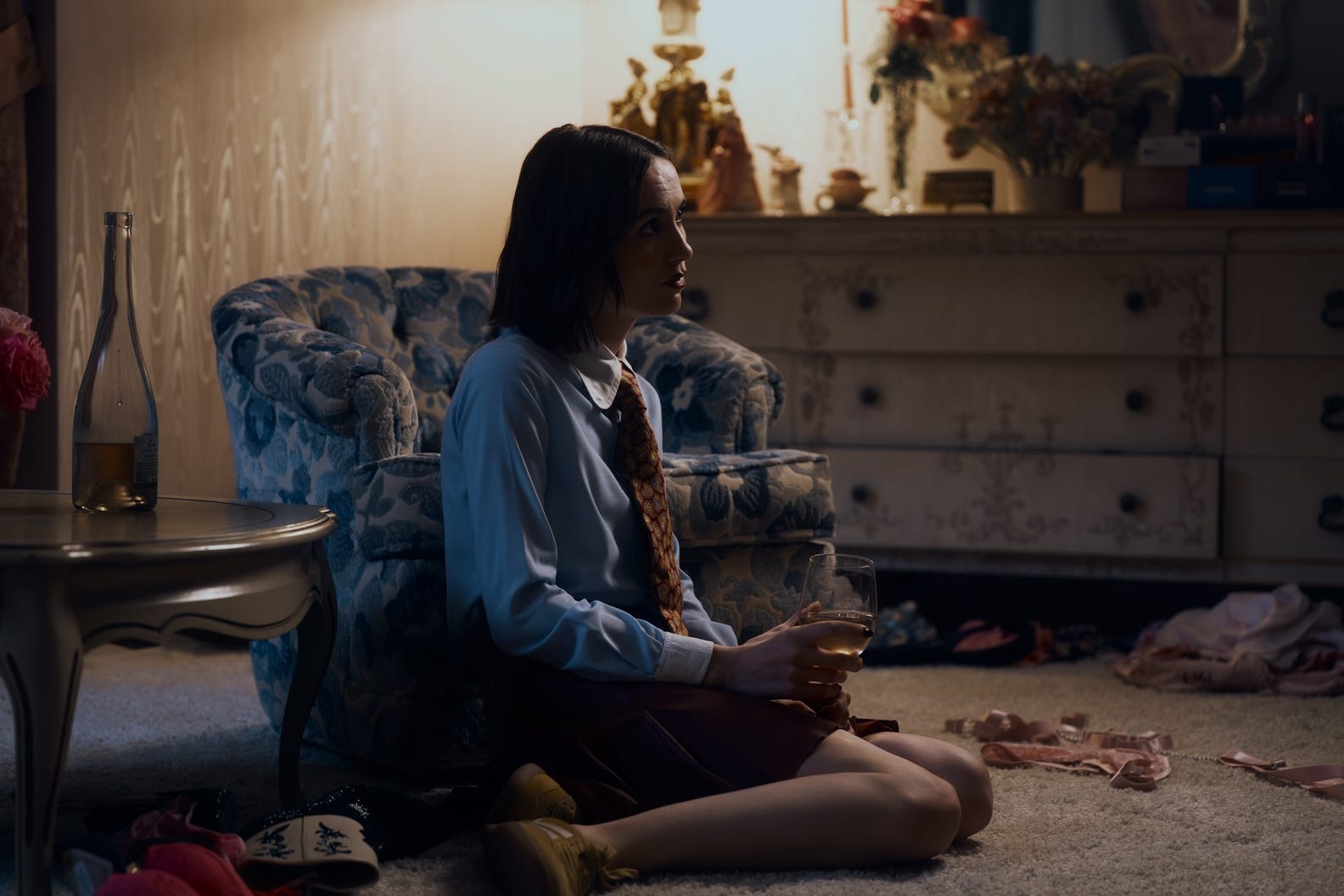
Few TV series have experienced this to the extent that Euphoria has. Its recent third season had wildly mixed reviews, but many fan reactions on social media skewed negative as they complained of ruined characters and plot holes. What most fans are unwilling to admit, however, is that claims of mischaracterisation in Euphoria can often be explained by projection. It’s natural to identify with a fictional character you find relatable. What’s disingenuous is saying a character was ruined because they did something you wouldn’t personally do.
The character of Lexi Howard seems to receive this treatment the most. She’s the mature and sensible one among a cast of sugar babies, strippers, and drug mules, and fans find her normalcy relatable. In season three, Lexi’s sense of superiority over other characters becomes more explicit. She criticises Rue for reading the Bible, and her sister Cassie for becoming an OnlyFans creator to pay off debt.
Some fans saw this as “annoying” and commented that Sam Levinson “completely ruined Lexi’s character.” Sam Levinson is far from a perfect writer, but her judgemental attitude has been evident since she literally wrote a school play to expose and embarrass her friends and family in season two. She had alway seen herself as ‘better’ than Cassie in particular, but as soon as she went from being real to being preachy, fans no longer saw Lexi as the “stand-in for the audience” they’d originally labelled her as.
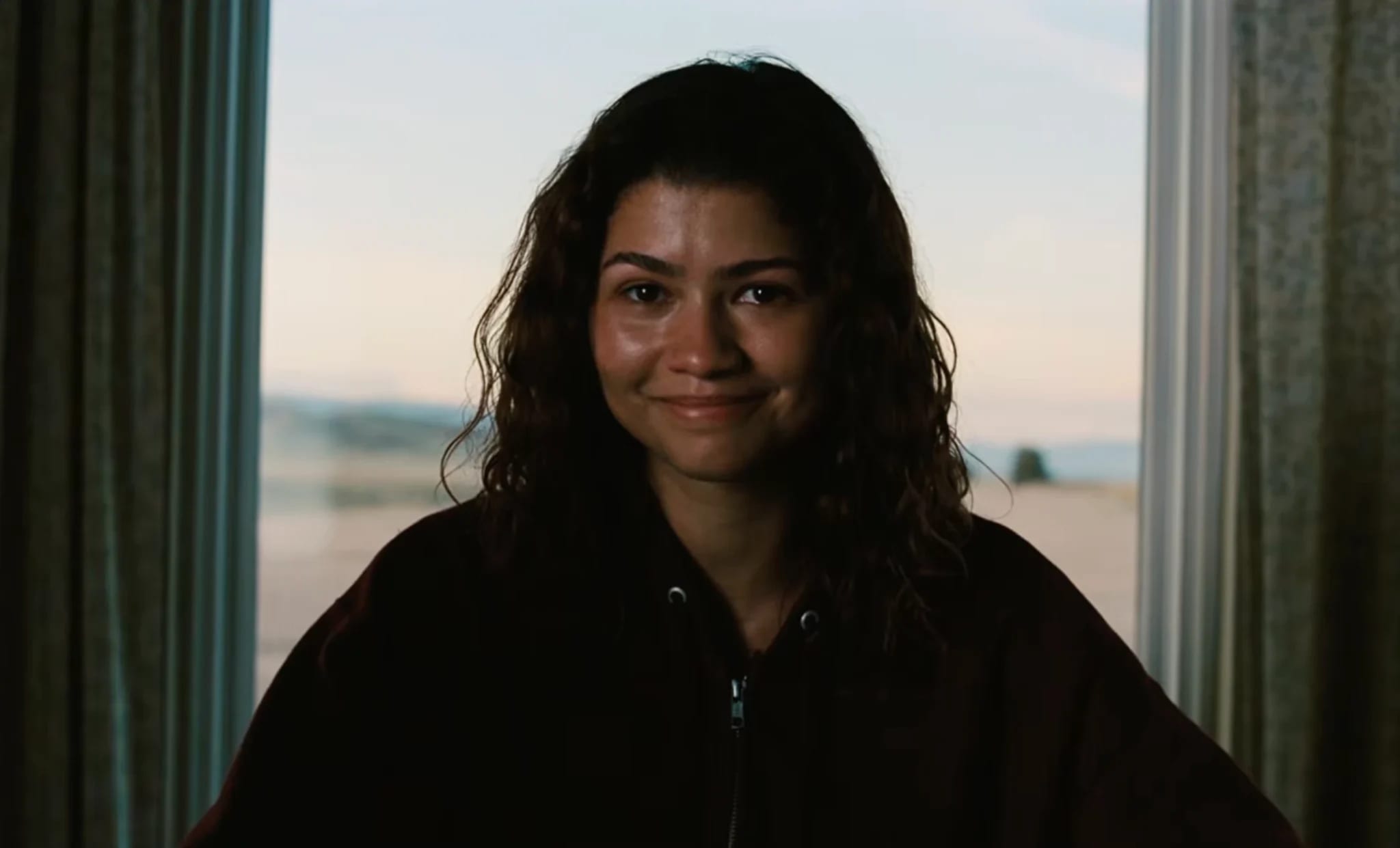
As a standalone series, season three of Euphoria wasn’t even that bad, but if you’d never watched it and purely went off TikTok rants, you’d think it was the worst thing to grace television. When backlash is so immediate after a show’s ending that the final episode is barely given a moment to breathe, it’s clear that fans were never going to be happy, no matter whether Rue lived, Cassie and Maddie got together, or Jules’ sugar daddy was behind Alamo’s trafficked strippers.
It’s okay to be sad that a show ended. It’s okay to be disappointed that your fan theory didn’t come true, or your favourite character didn’t get the send-off you wanted. But just because you’re obsessed with and align your personal identity with a piece of media doesn’t mean you inherently know more than the creator themselves. Canon and fanon can run in parallel without needing to converge.